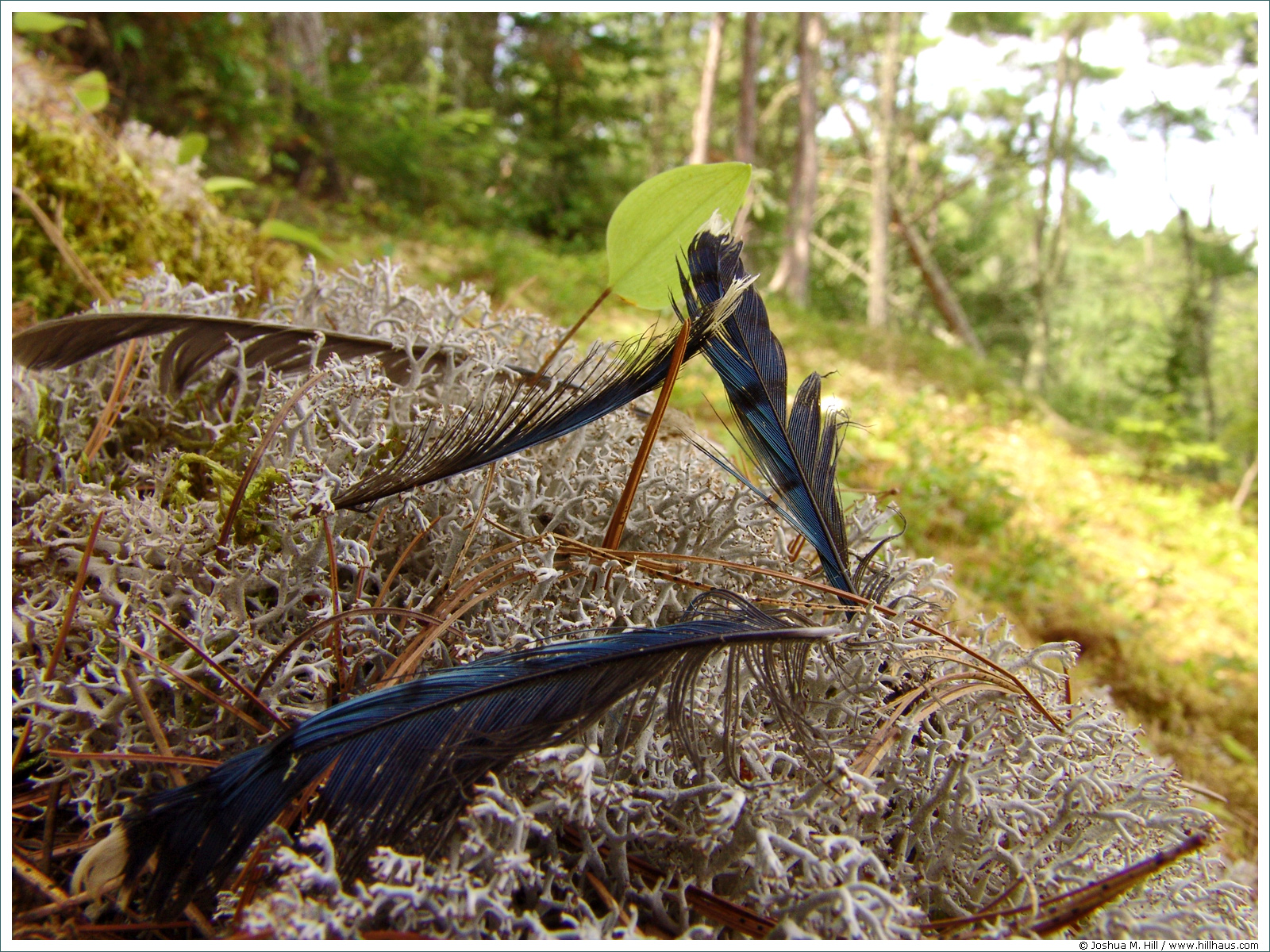
 The man who walked to the end of the sidewalk
was looking for a dog–
a dog trailing a chain leash with a red imitation
leather handle, and he found Continue reading “Blue Jay”
Rural Oklahoma Museum of Poetry
Poetry of the People
The man who walked to the end of the sidewalk
was looking for a dog–
a dog trailing a chain leash with a red imitation
leather handle, and he found Continue reading “Blue Jay”
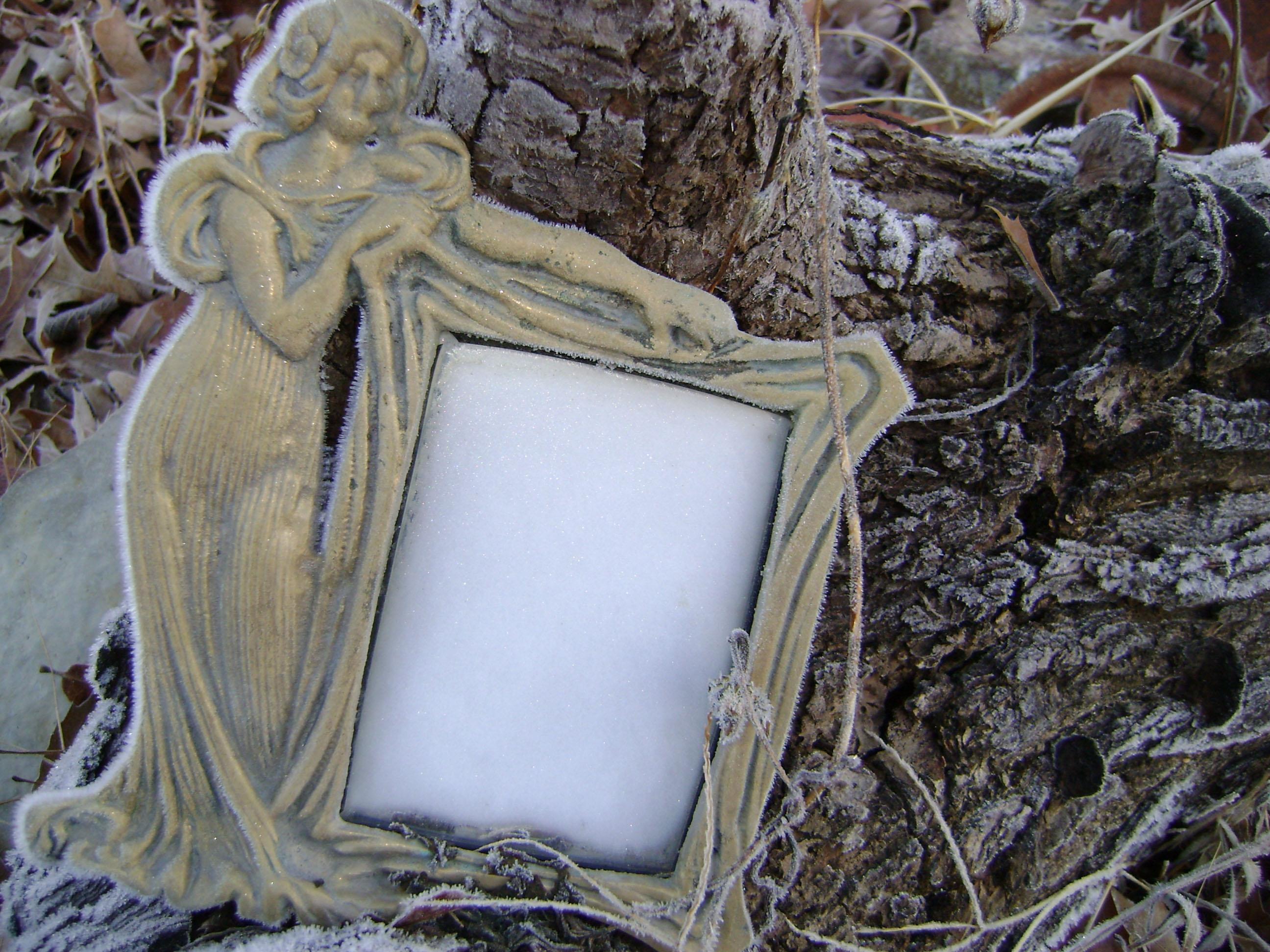 You hold the prints of my terrier dog Socks, the dog of my son’s childhood who died after the ice storm of 2007. You held her prints for a week after she was gone. I still remember walking by them when I went around the house. They were in the dark place where the sun doesn’t reach beneath the southern edge of the carport. You didn’t take her, but I will always remember when she left because of that path you kept after she was gone. You are a season for imprints. Continue reading “Dear Winter,”
  Dandelion in winter
Has lost its head
It did not roll down a hill
Nor drown in an ocean
Though the ocean may have
Longed for it
Sumac seeds and wildflower,
Pine cone and pine needle,
All watched
And said nothing.
–Shaun Perkins
My junior class collected things on the ground outside the other day and made poems out of them.
 Virginia Woolf wrote that it was her “shock-receiving capacity” that made her a writer. I think writers, particularly poets, have a perpetual déjà vu, remembering bits and pieces of experiences, usually nondescript, that harbor images that repeatedly cry out to be cast upon paper. Continue reading “The Shock-Receiving Capacity”
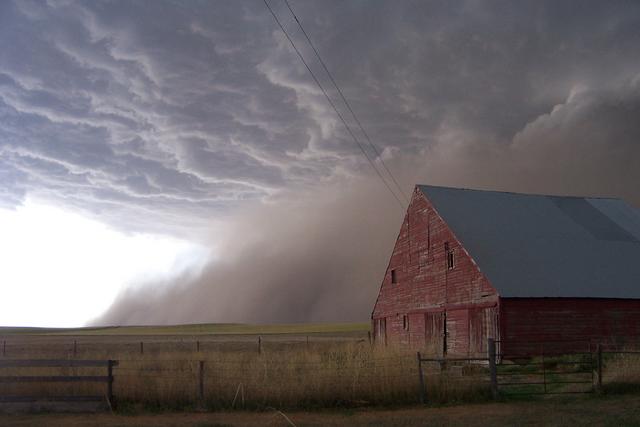 I had an old man, a child, a cat, and a dog.
Lost them in the middle of a country song,
when a hill came rolling down,
soft, but tearing up the ground.
Now my head is rolling ’round,
zigzagging away at any sound. Continue reading “Ballad of the Rolling Hill”
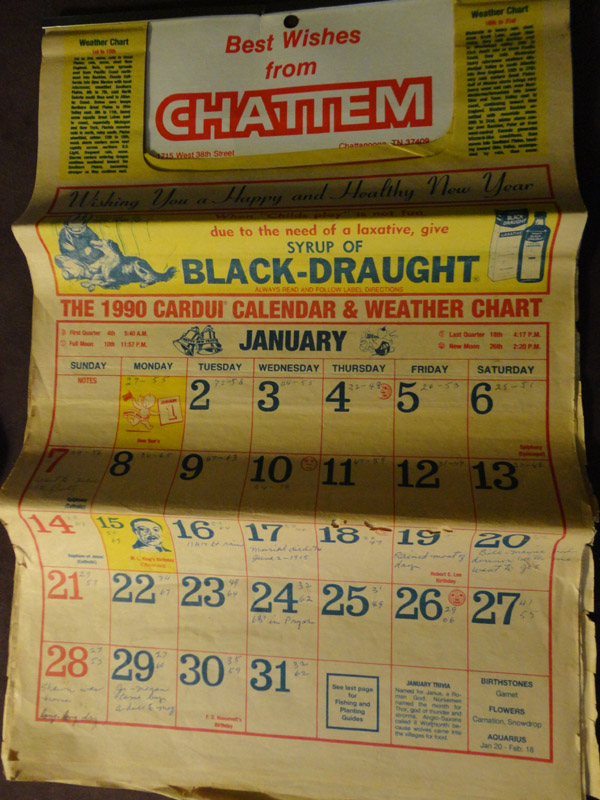 My grandmother (Gangy) kept a diary most years on a drugstore calendar. In the date blocks she wrote the high and low temperatures. On the back of each page, she wrote a brief entry for the highlight of most days. Most of the comments are about people who came to see her and how long they stayed, food she canned, weather observations.
This is where poetry lives: Continue reading “Gangy’s Drugstore Calendar”
 Rural Oklahoma Museum of Poetry